
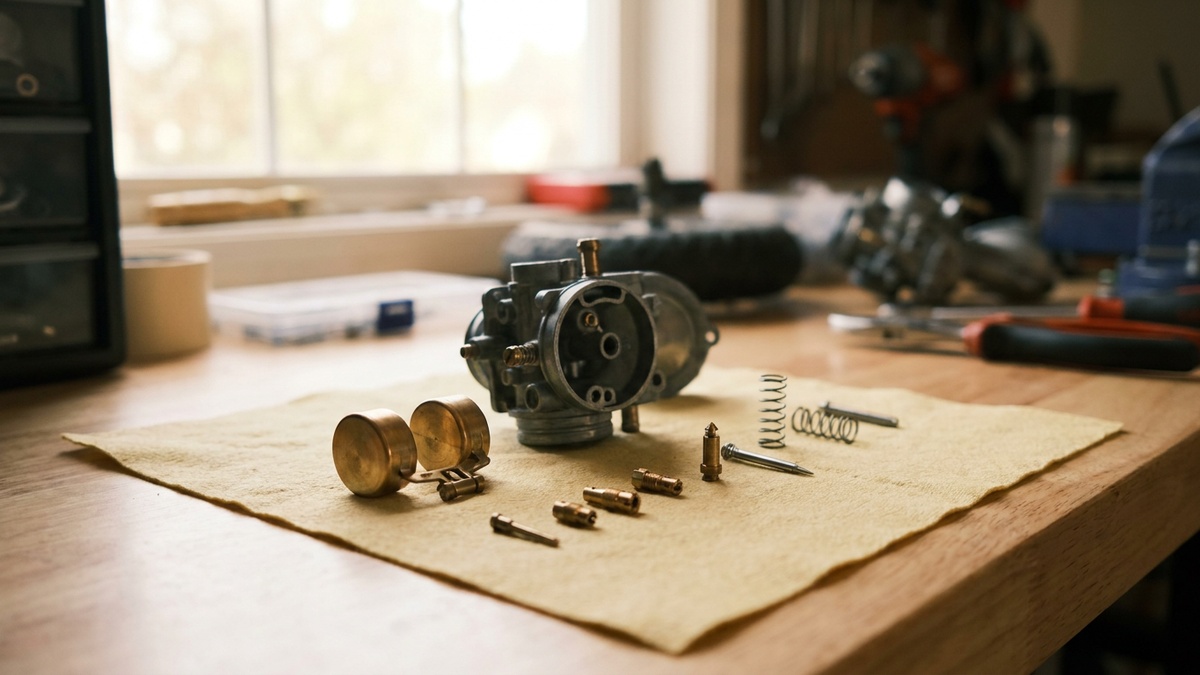
Sooner or later, every scooter rider or motorcyclist has to tune, clean or repair the carburetor — when the scooter starts sputtering, starts badly, won't hold revs or stops starting altogether. These symptoms can have all sorts of causes, but let's talk about the carburetor.
If you notice any of these signs, the carburetor needs adjusting. If that doesn't help, it needs cleaning or repair. Let's go through the process using a 2T chain-drive scooter carburetor as an example.
Disassembling the carburetor
Here's what it looks like:
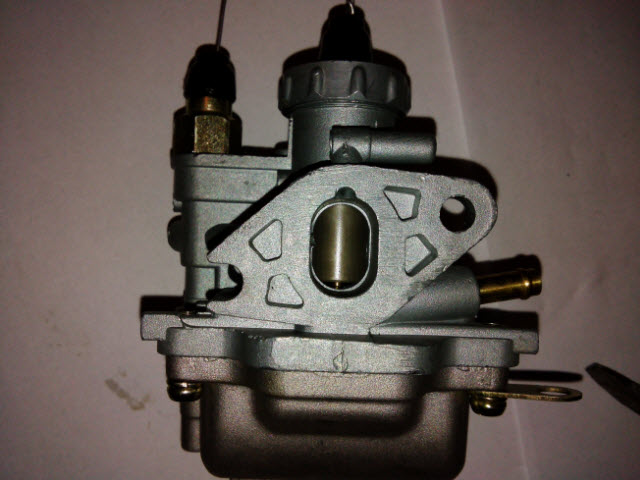
Undo the four screws holding the float chamber cover:
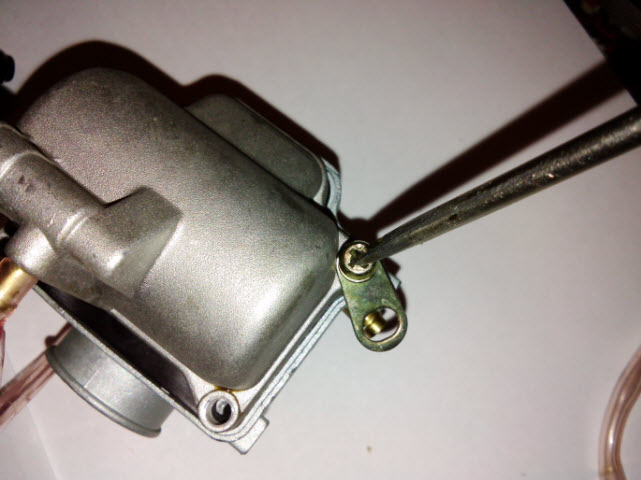
Pull out the float pin and remove the float together with the needle valve:
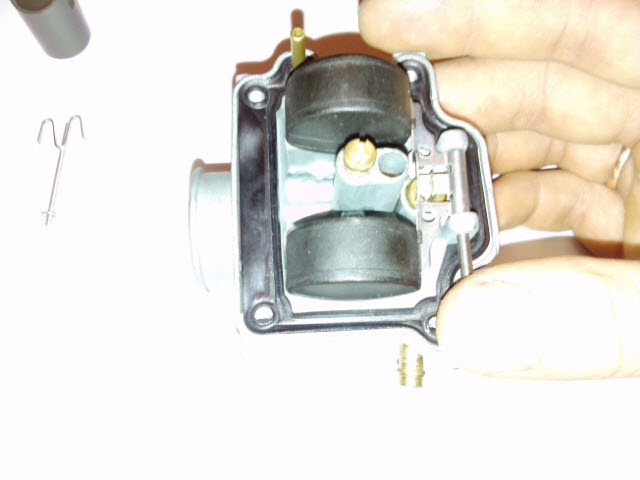
Here's the float itself with the needle:
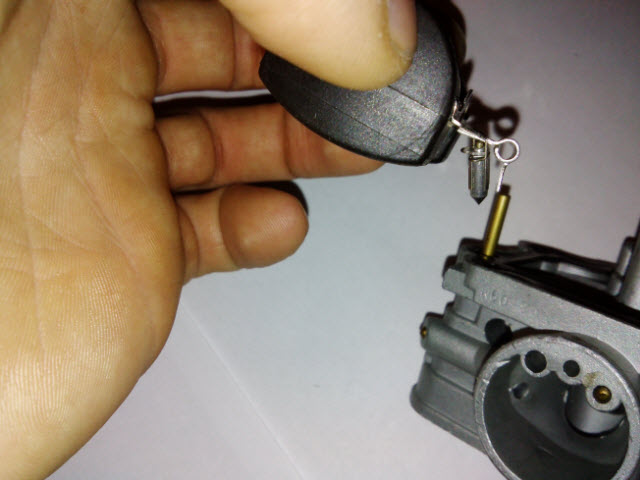
Lay everything out carefully so you don't lose anything. Unscrew the jets — the main jet and the idle jet:
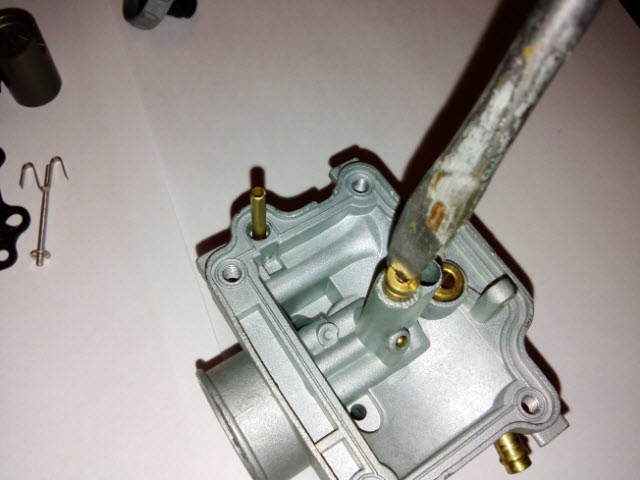
The main jet:
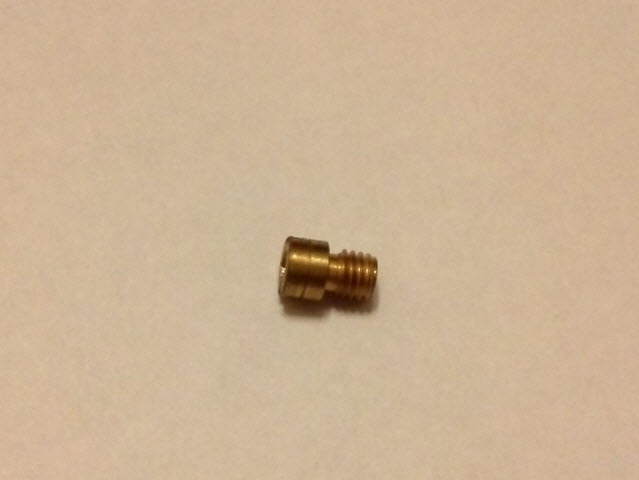
And the idle jet:
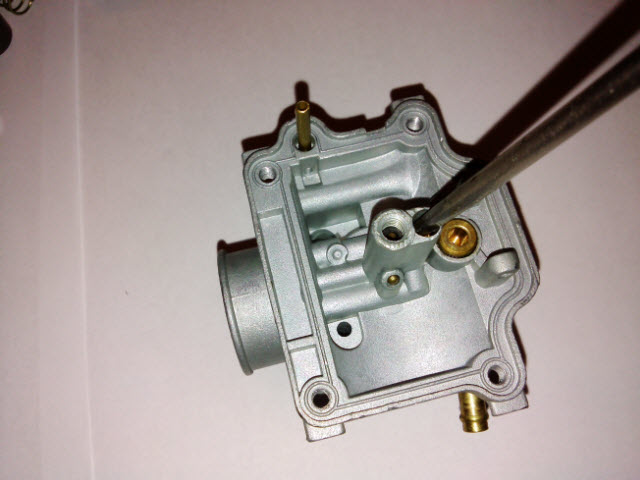
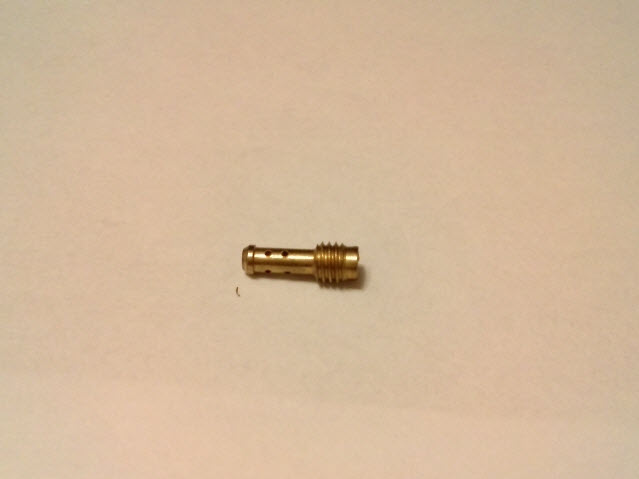
Next, unscrew the idle mixture screw:
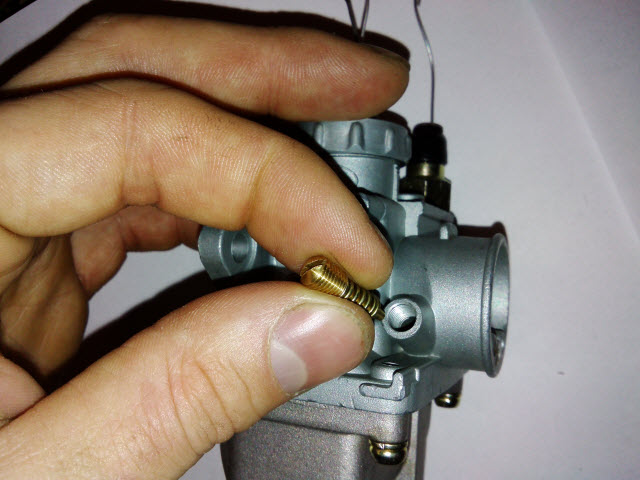
And the throttle stop screw:
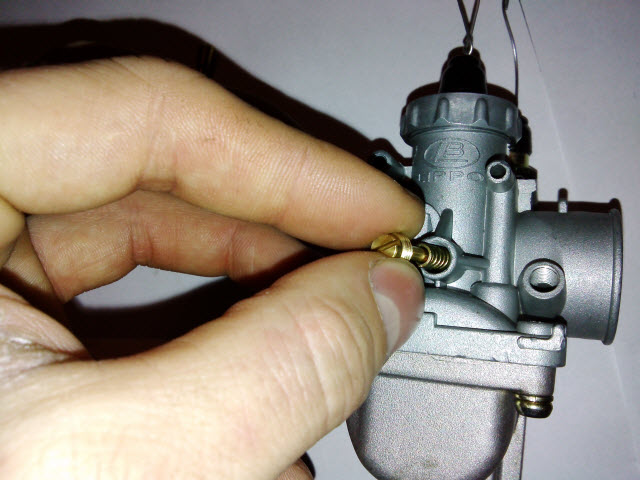
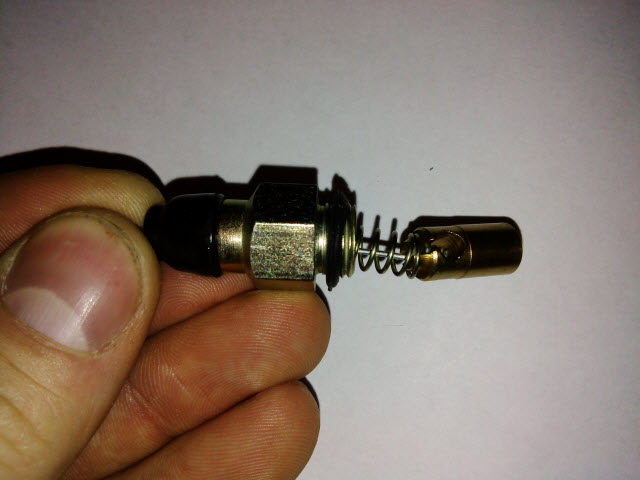
Unscrew and remove the choke (enrichener):
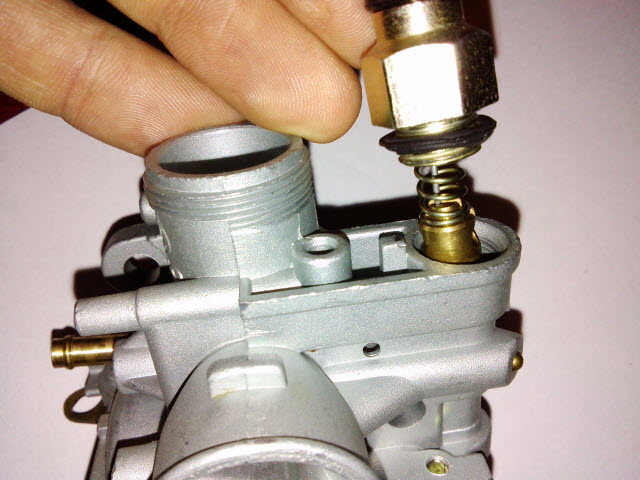
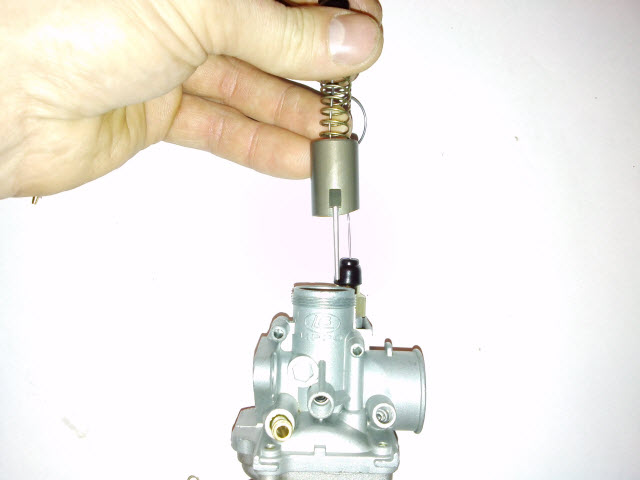
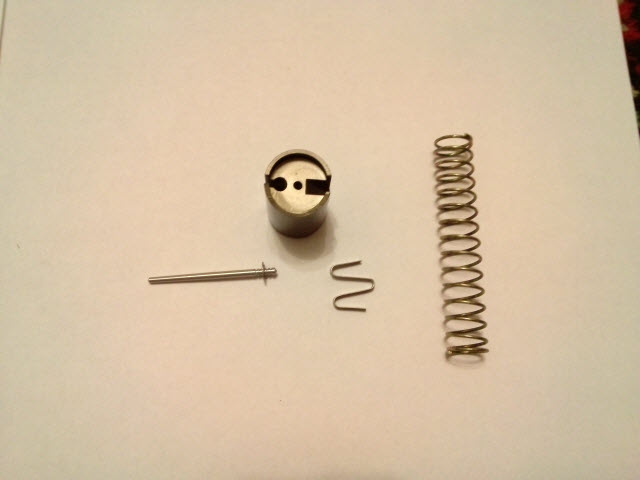
And finally, take out the throttle slide and disassemble it:
Repair and adjustment
Next, repair, adjust and replace whatever parts need it. Set the fuel level in the float chamber by bending the tab on the float. The level should be 2–4 mm below the mating surface between the float chamber cover and the carburetor body. To check it, fit a clear hose over the drain fitting and raise its other end parallel to the carburetor. Undo the drain screw on the float chamber cover and look at the fuel level. Or there's a simpler way: turn the carburetor upside down with the cover removed and set the float parallel to the mating surface, ± 1 mm.
When you reassemble the throttle slide with the needle, set the needle clip exactly in the middle. Use this as your starting point when you adjust the mixture later. If the mixture is lean, the clip needs to be lowered on the needle; if it's rich, raise it instead. Keep in mind that after long use, jets start to drift from their rated specs. So if the engine starts flooding at full throttle, it's a sign that the main jet is bigger than it should be. It's better to buy a rebuild kit and fit all new parts.
When reassembling, follow the reverse order of disassembly. The throttle slide goes in with its cutaway facing the air filter. Before reassembly, wash all the parts thoroughly in gasoline and blow them out with compressed air. A properly tuned carburetor is the key to confident starts and the best possible fuel economy.